


5 Reasons why Brands Invest in Sports
By: Smruthi Karthik
Every year, thousands of events take place worldwide ranging from music concerts, cultural festivals, fashion shows, exhibitions and corporate conferences. All of these events attract audiences and offer opportunities for brands to promote their products. However, despite the variety of options available, sponsors consistently choose to invest heavily in sports.
If there are so many different types of events available for marketing, why do brands specifically prioritize sports sponsorship?
Sports sponsorship has become one of the most powerful marketing strategies in the modern business world. From logos on jerseys and stadium advertising to television commercials and social media campaigns during major tournaments, brands invest billions of dollars every year to associate themselves with sports.
1. Brand Visibility and Awareness
Sports sponsorship provides brands with high visibility among large audiences. Sponsoring a sports event allows companies to display their logos on jerseys, stadium boards and social media platforms, ensuring that their brand is seen by millions of viewers.
In addition to immediate exposure, sports sponsorship also offers long-term visibility. Even years after the event, when fans watch match highlights on platforms like YouTube, sponsor logos on jerseys, advertising boards and broadcast graphics are still visible. As a result, brands continue to receive exposure long after the original event has taken place.
Example: Emirates partnership with Real Madrid and Arsenal F.C.
Emirates has established major sponsorship partnerships with Real Madrid in La Liga and Arsenal F.C. in the English Premier League. The “Fly Emirates” logo appears on the jerseys of both teams, giving the airline global visibility during matches. Emirates also holds the naming rights to Arsenal’s home ground, Emirates Stadium, the brand name is repeatedly mentioned in match commentary, ticketing platforms, news coverage, and fan discussions. Through these partnerships, Emirates has become the most recognized airline in sports, with its sponsorship portfolio spending estimated at over $300 million annually. Through these partnerships, the airline gains continuous exposure across global television broadcasts, social media highlights, and international football coverage.
2. Connection with Target Audience
Brands often sponsor sports events that attract their target demographic group. Different sports appeal to different audiences based on age, interests, lifestyle, and spending power.
Example: Nike’s partnership with WNBA
Nike has strategically invested in the WNBA to connect with Gen Z consumers, a generation that values diversity, gender equity, and social impact. The campaign used athlete stories to resonate with younger audiences. The 2024 WNBA Draft attracted 2.45 million viewers, representing a 307% increase from the previous year, while regular-season games saw viewership increases of over 170%. Nike also signed rising star Caitlin Clark to an eight-year, $28 million deal, ensuring that the brand remains closely associated with the league’s growing popularity.
3. Positive Brand Image and Association
Sports represent values such as teamwork, dedication, discipline, and excellence. By associating themselves with sports, brands can strengthen their reputation and align their image with these positive qualities.
Example: Redbull’s partnership with multiple athletes
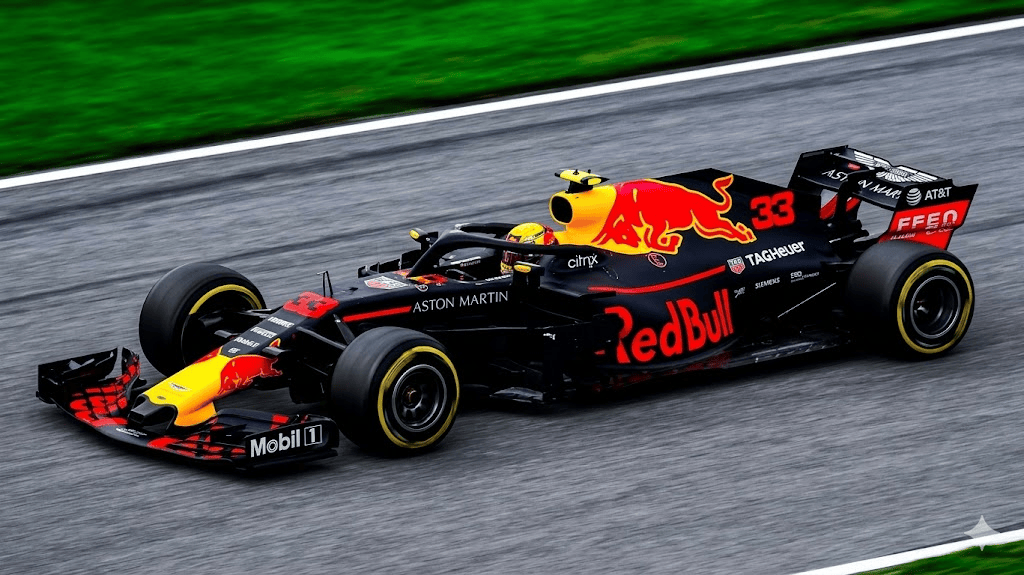
Red Bull doesn’t just sponsor they create a platform across various sports such as Formula One, cliff diving, skateboarding, and e-sports.
The company sponsors over 700 athletes worldwide, producing high-energy content of athletes performing extreme stunts. Through this strategy, Red Bull has transformed its brand image from just an energy drink into a lifestyle and media brand associated with adrenaline, adventure, and pushing human limits.
4. Opportunities for Fan Engagement
Sports sponsorship allows brands to interact with fans through contests, promotions, giveaways, and digital campaigns. These activities help companies build stronger connections with consumers and increase brand loyalty.
Example: Google’s partnership with ICC
Through its platform Google Pay, Google launched the “GPay Tick Squad,” which gamified the viewing experience for fans. Features such as QR-code hunts during the coin toss, milestone-based cashback rewards and squad-based challenges encouraged fans to actively participate while watching matches. Many viewers took part because the activities offered them a chance to win cashback rewards. This strategy transformed passive viewers into active participants, increasing both fan engagement and brand interaction during the tournament.
5. Long-Term Brand Partnerships
Many sports sponsorships develop into long-term partnerships between brands and sports organizations. These partnerships provide consistent brand visibility and help companies build strong brand recognition over time.
Example: Visa’s partnership with the International Olympic Committee
Visa has been an official Olympic partner since 1986, with the partnership currently extended until 2032.
One of the most powerful aspects of this deal is exclusivity. Visa is the only payment card accepted at Olympic venues, ensuring direct interaction with millions of fans attending the Games. Visa also uses the Olympics to showcase new technologies, such as biometric and wearable payment systems, which was highlighted during the Milano Cortina 2026 Winter Olympics.
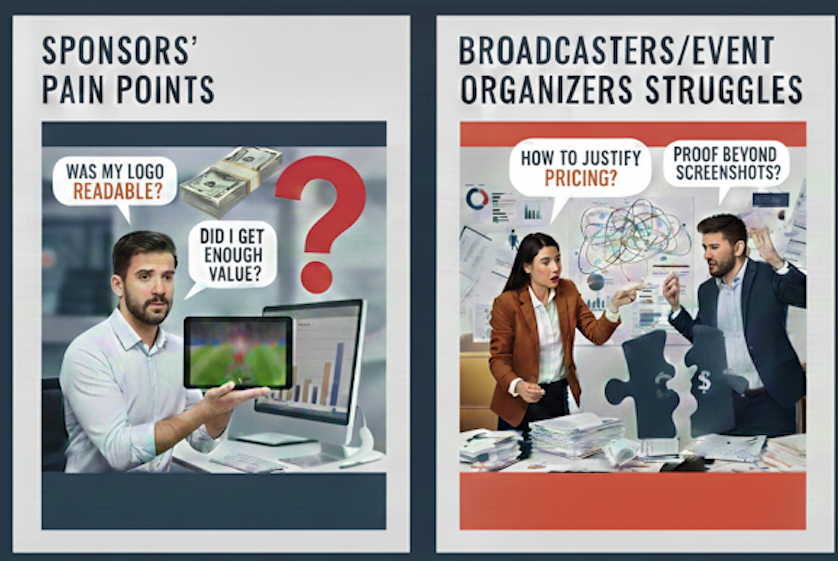
Brands invest millions of dollars in sports sponsorships. Hence, they need clear data to evaluate whether their investment is actually delivering value. Sponsor Sense by BanyanBoard helps measure sponsorship performance by tracking how often and how long a brand’s logo appears during live broadcasts. It uses AI-powered analysis to detect logos on jerseys, LED boards, and on-screen graphics to calculate metrics such as exposure time, screen position, frequency of appearances, and estimated media value. These insights allow sponsors to quantify their brand visibility, audience reach, and return on investment (ROI), helping them decide whether a sponsorship is effective and whether they should renew or expand the partnership.