


The Sustainable Shift in Sports Sponsorship: From Banners to Broadcast
By: Smruthi Karthik
Sustainability is becoming an essential priority across the global sports industry. From eco-friendly stadiums to carbon-neutral tournaments, leagues and organizations are increasingly looking for ways to reduce their environmental impact. One area that is often overlooked is stadium advertising.
Traditional sports sponsorship relies heavily on physical banners, pitch-side boards, and printed signage placed around the stadium. While these methods have been used for decades, they come with significant environmental and operational challenges. As sports broadcasting technology continues to advance, virtual advertising is emerging as a more sustainable and efficient alternative, enabling brands to achieve visibility without relying on physical materials.
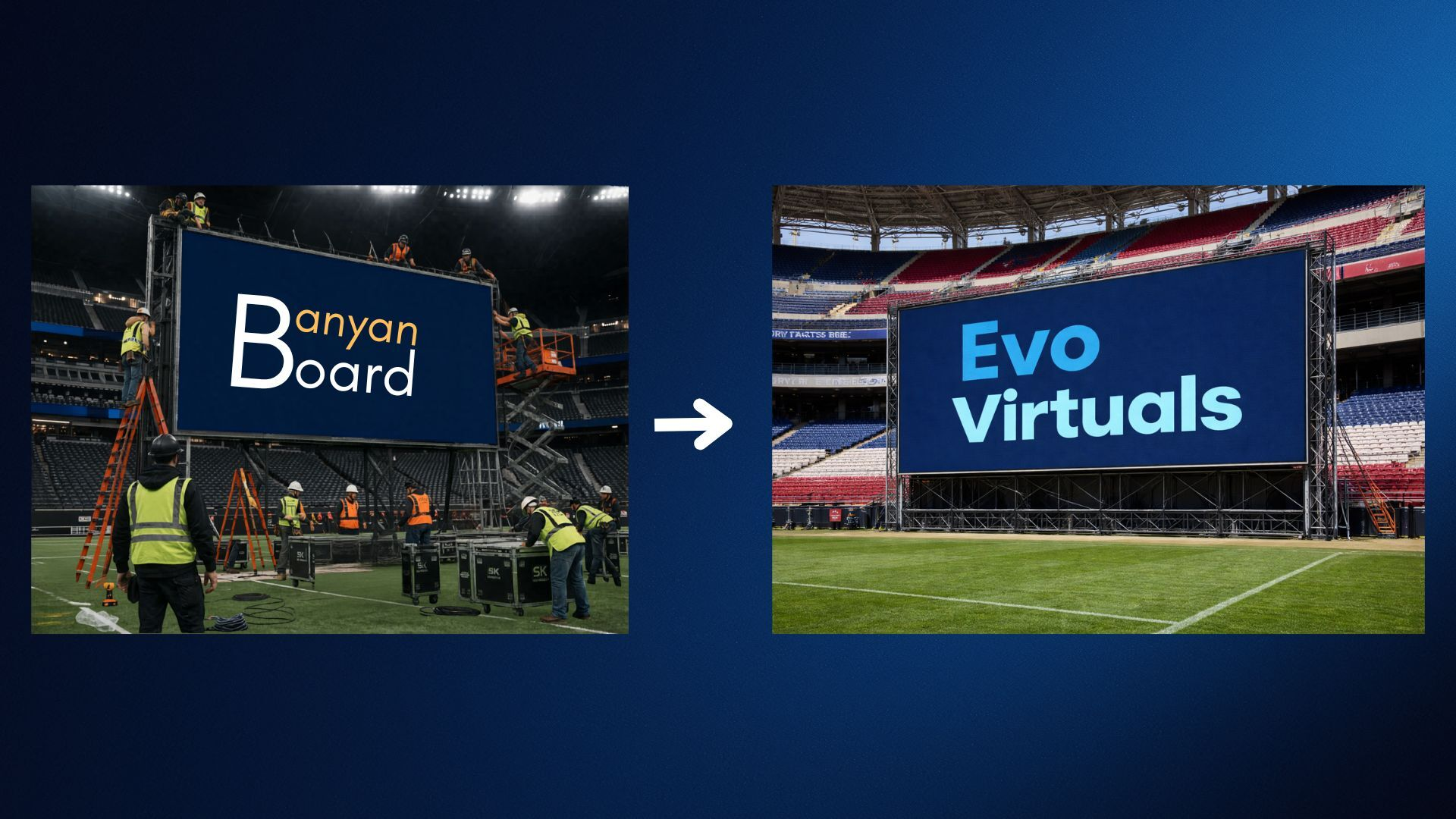
Physical banners require large quantities of materials such as vinyl, plastic, fabric, and ink. These banners are often produced specifically for a single event or short campaign. After the event ends, many of these materials are discarded, contributing to waste. Along with creating waste, physical signage requires significant logistical effort for production, transport, and installation. Banners must be printed, transported to stadiums, installed before matches, and removed afterwards. This process consumes energy, requires manpower, and increases the overall carbon footprint of sporting events.
In cricket stadiums, a typical pitch-side advertising banner measures approximately 20 feet by 4 feet, which is around 80 square feet of printed material for a single board. Since multiple banners are placed around the boundary rope, the total printed area in a stadium can easily exceed 1,500–2,000 square feet of physical advertising material for one event. Producing, transporting, and replacing these large banners repeatedly increases both material waste and operational costs.
For stadium operators and event organizers striving for greener operations, this traditional model is becoming increasingly inefficient, making the shift to digital solutions a more practical and sustainable choice.
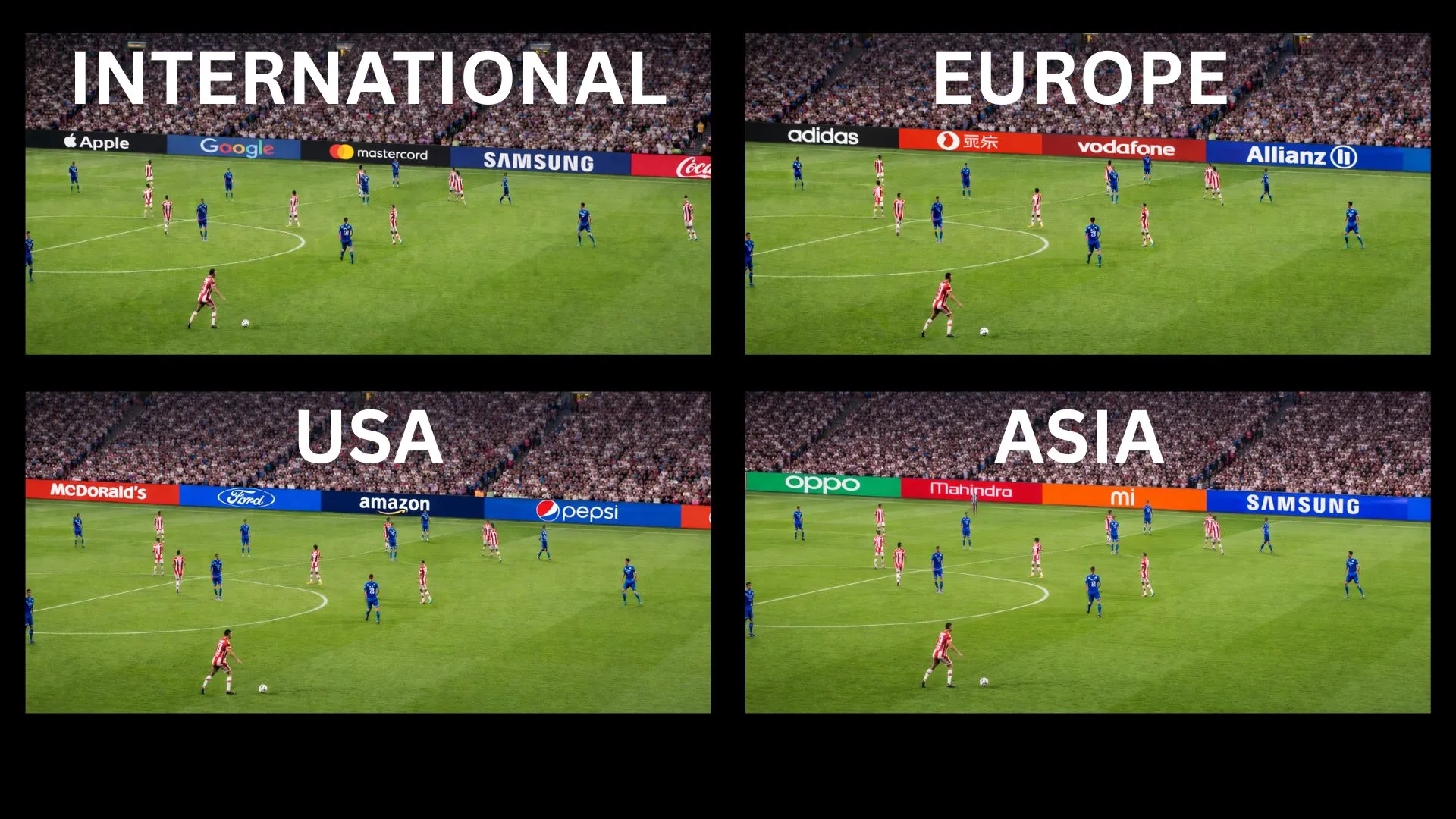
Virtual advertising technology allows brands to be displayed digitally within live sports broadcasts without the need for physical signage inside the stadium. These advertisements are inserted into the broadcast feed and appear naturally on the field, pitch or surrounding areas when viewed by television and streaming audiences. Instead of printing multiple banners, a sponsor’s branding can be digitally integrated into the match broadcast in real time. Unlike physical advertising mats that may fade, tear, or lose colour after repeated use, virtual ads always appear fresh, clear, and visually consistent in every broadcast. This results in a cleaner stadium environment and a more flexible approach to advertising.
5 Ways Virtual Advertising Supports Sustainable Sports Sponsorship
1. Reducing Material Waste
Virtual advertising eliminates the need for physical materials entirely. Instead of printing new banners for every event, advertisements are digitally integrated into the broadcast feed. This shift significantly reduces the waste generated in a sporting event by single-use materials and supports more environmentally responsible sponsorship practices.
2. Lower Carbon Footprint
Physical banners require manufacturing, packaging, shipping, and installation. Banners are often transported across cities or countries to reach stadiums, which contributes to carbon emissions.
Virtual advertising removes most of these logistical steps. Once the digital assets are created, they can be inserted into live broadcasts directly without the need for transportation or physical setup. Since virtual advertising does not require physical production or shipping, it significantly lowers the carbon footprint associated with sports sponsorship.
3. Reduced Operational Resources
Installing physical signage requires labour, time, and operational coordination. Stadium staff must place banners before the match, adjust them if necessary, and remove them afterwards.
Virtual advertising simplifies this process significantly. Digital ads can be activated, updated, or replaced instantly through software systems, reducing the need for manual installation and stadium operations. This allows event organizers and stadium operators to run events more efficiently while minimizing resource use.
4. Reusable and Flexible Advertising
Physical banners are typically created for specific campaigns or sponsors. If the sponsor changes or the campaign ends, new banners must be printed and installed.
Virtual advertising offers greater flexibility. Digital ads can be updated, reused, or rotated instantly without producing new materials. Sponsors can change messaging in real time, adapt campaigns for different matches, or promote multiple brands within the same broadcast. This flexibility reduces waste while also improving the efficiency of sponsorship campaigns.
5. Supporting Long-Term Sustainable Stadium Strategies
Many sports organizations are now prioritizing green stadium initiatives and sustainability goals. Virtual advertising helps support these goals by reducing waste, lowering emissions, and improving operational efficiency. This allows leagues, stadiums, and sponsors to align their marketing activities with broader sustainability initiatives.
Evo Virtuals: A Sustainable Solution for Sports Advertising
Evo Virtuals, a solution by BanyanBoard, enables event organizers and sponsors to replace physical banners and signage with digitally inserted virtual advertising in live broadcast feeds. By eliminating the need to produce, ship and install physical boards, Evo Virtuals helps cuts down on waste, carbon emissions and on-site setup requirements. Virtual ads can also be updated remotely and customized for different regions, allowing sponsors to achieve strong brand visibility while supporting a more sustainable and efficient approach to event advertising.