



How brand value is measured in sports broadcasts
By : Smruthi Karthik
Sports broadcast sponsorship has become one of the most powerful marketing channels for brands seeking visibility. While the investment is clear, measuring its true impact is far more complex. The real challenge lies in determining whether the exposure a brand receives during a live broadcast genuinely delivers measurable value. But how do brands actually determine the return on investment (ROI) from their sponsorship spend?
The answer lies in brand exposure measurement, a complex process that uses AI, data science and industry benchmarks to convert visibility into monetary value.
Why accurate measurement matters
Sponsorship decisions are not just marketing bets; they are multi‑million‑dollar strategic investments. If the underlying exposure measurement is inaccurate, the valuation will be flawed and that affects renewal decisions, future sponsorship pricing, allocation of marketing budgets and return on investment (ROI) calculations.
In simple terms, if the measurement is wrong, the financial conclusions will be wrong too.
Think of it like a medical lab test. If the machine is not calibrated correctly, the diagnosis based on the report cannot be trusted. The same applies to sports sponsorship valuation.
How brands measure their sponsorship exposure
Brands typically do not measure sponsorship exposure on their own. Instead, they rely on major advertising and media agencies such as Publicis, WPP (formerly GroupM), Dentsu, Havas, IPG and Omnicom to evaluate sponsorship value. These agencies act as strategic partners, helping brands decide which events to sponsor, what types of assets to invest in, how much to spend and what kind of return they can expect. Other companies also involved in sponsorship exposure analysis include Nielsen, YouGov, GSIQ etc. They also serve as a key link between brands and event organizers or rights holders, ensuring that sponsorship deals are structured effectively from a commercial and visibility standpoint.
While advertising agencies guide these investment decisions, they usually work with specialized sports sponsorship analytics and valuation companies that focus on tracking and quantifying brand visibility during broadcasts. These companies use a combination of AI, computer vision and human validation to analyze large volumes of video content, detect logos, identify different asset types and evaluate how prominently and how frequently a brand appears on screen.
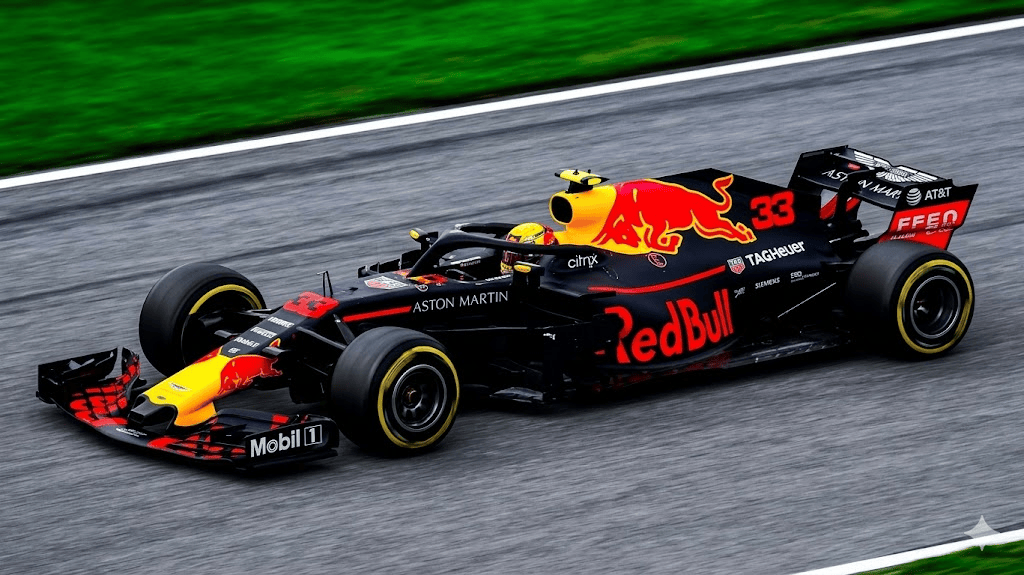
Let’s consider an event like the 2026 Winter Olympics in Milano Cortina, approximately 9,000 hours of the produced coverage was officially aired across global TV, platforms amounting to a staggering 97.2 million frames that need to be analyzed for brand visibility. While the Winter Olympics itself is not heavily branded, events such as the World Athletics Championships or Formula One feature a significantly higher density of branded assets, making the scale and complexity of exposure measurement even greater.
What determines sponsorship exposure value
The raw exposure data generated by the sponsorship analytics companies is based on industry-standard measurement principles, capturing key factors such as:
- Size of exposure (how much screen area the brand occupies)
- Duration of exposure (how long the brand is visible)
- Clarity of exposure (visibility and sharpness of the logo)
- Position on screen (central placements carry more value)
- Clutter (whether the brand appears alongside competitors)
- Context or value of the moment
These parameters determine how prominently and effectively a brand appears during a broadcast, with centrally placed, clear, and uncluttered exposures carrying higher value.
Exposure during key moments such as goals, penalties, major decisions and celebrations carries significantly higher value due to increased viewer attention and focused camera coverage.
How exposure is converted into monetary value
Each advertising agency typically applies a standardised yet proprietary framework to translate these exposure metrics into financial terms.These models are developed using broad inputs from brands, broadcasters and rights holders ensuring that the final valuation reflects both market expectations and commercial realities.
One of the most widely used reference points is the 10-second television advertisement rate, which acts as a benchmark for comparison. For example, a full-screen advertisement occupies a resolution of 1920 × 1080 pixels for 10 seconds. At a standard broadcast rate of 30 frames per second, this results in 300 frames of full-screen exposure.
This benchmark allows analysts to standardize value. If a brand appears on screen occupying only a fraction of the total screen, say 1% of the screen area for a certain duration, its value can be estimated proportionally by comparing it to the equivalent share of a full-screen advertisement over time.
All of these inputs are ultimately converted into structured exposure metrics and valuation outputs, which enable agencies and brands to quantify performance and determine the return on investment (ROI) from their sponsorship activities.
Sponsor Sense by BanyanBoard
Sponsor Sense in our AI-driven analytics platform that quantifies brand and logo visibility across live sports broadcasts with precision. Sponsor Sense delivers frame-by-frame exposure tracking, media value estimates, and actionable insights that help brands, teams, leagues, and agencies measure sponsorship impact and maximize ROI from on-screen exposure metrics. Having served 30+ sports in 12 countries across 1000+ hours of broadcast, Sponsor Sense is trusted by leading advertising agencies to deliver high quality broadcast exposure data.