


How geo-targeted virtual ads are transforming sports broadcasts across regions
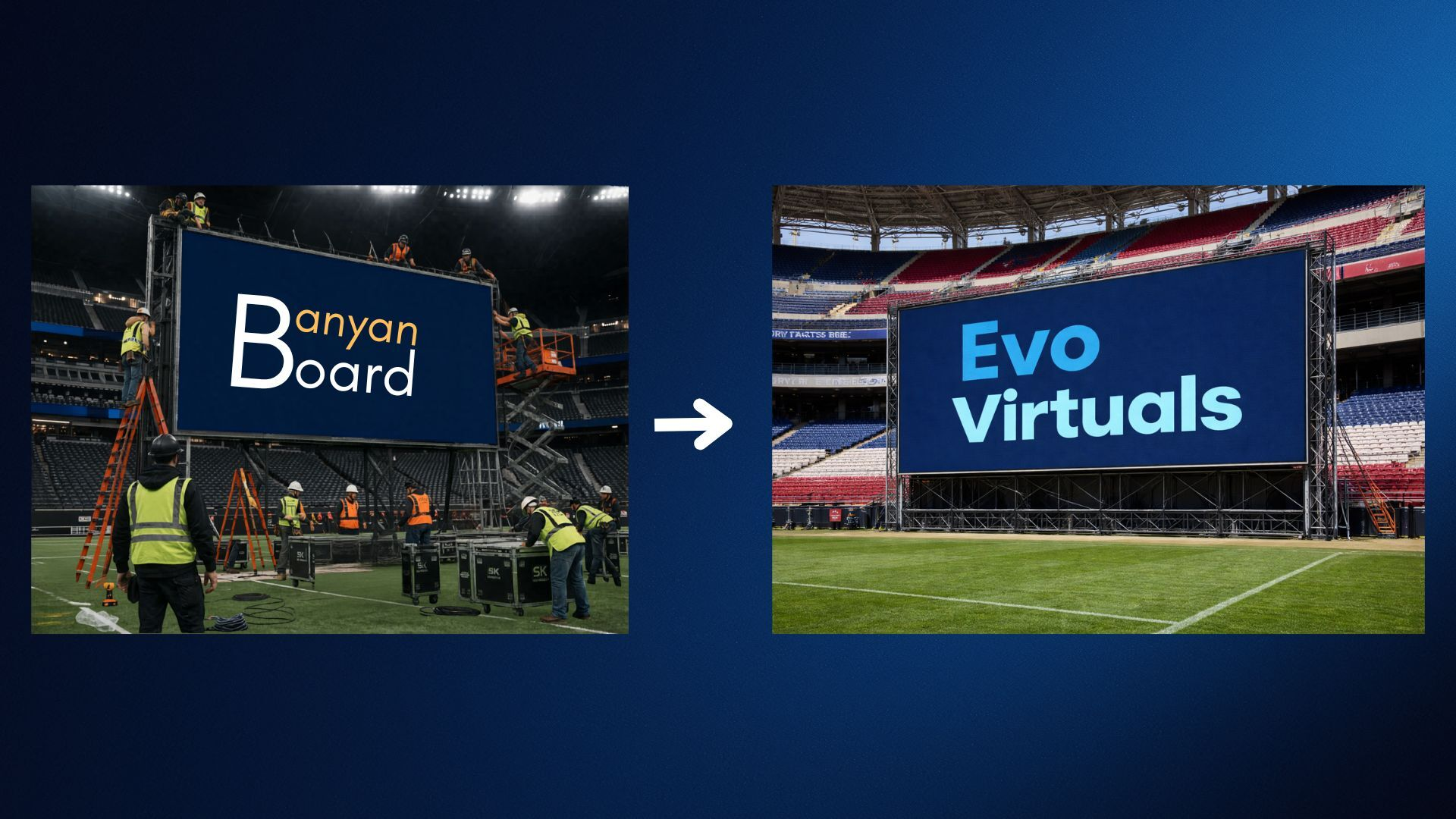
Note: AI generated image to visualize the concept of geo-targeted virtual advertising
By : Smruthi Karthik
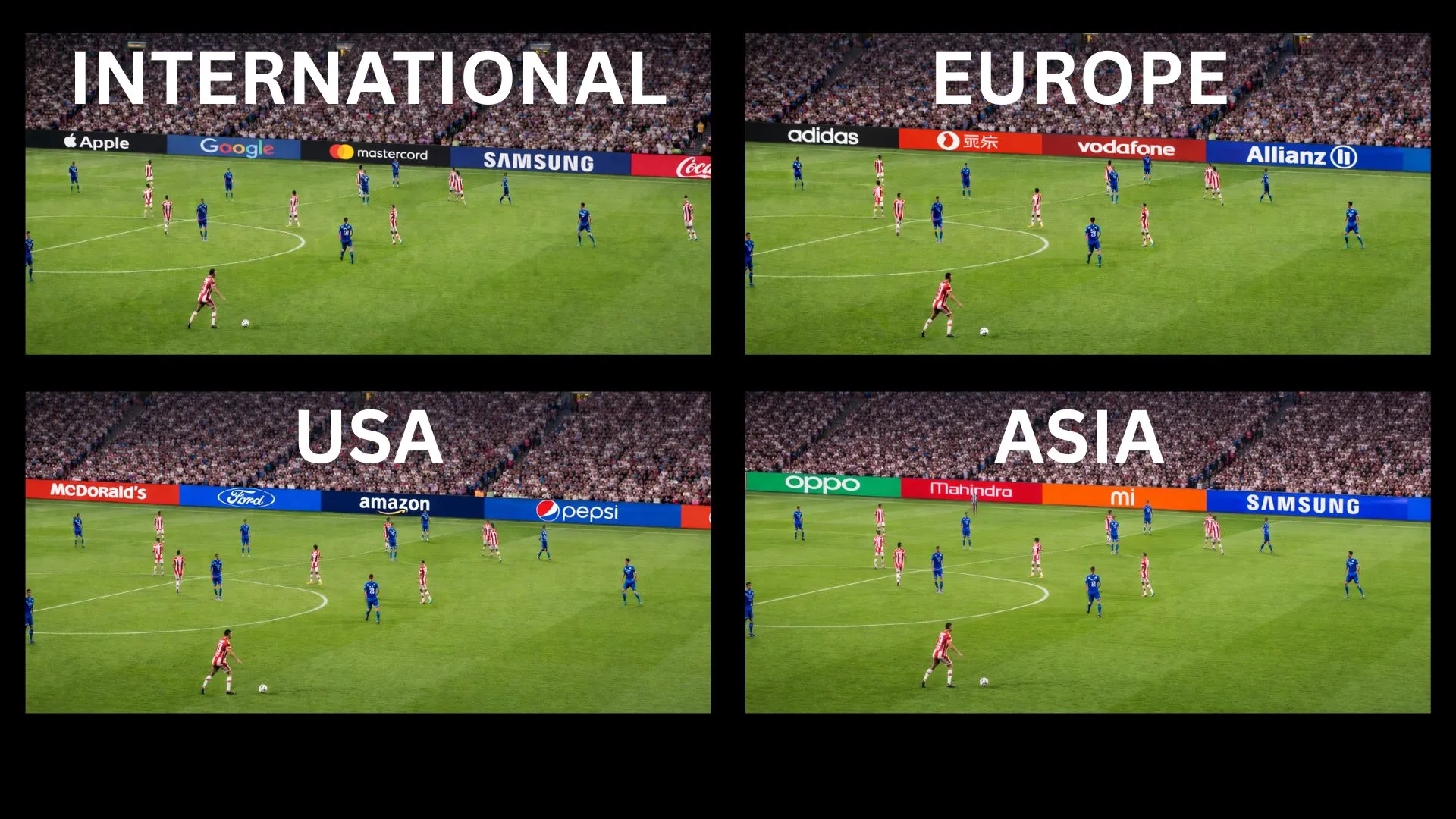
Sports have always attracted global audiences. Today, a single football match can attract millions of live viewers from different continents across the globe. Although the fans watch the same match, the advertisements they see are becoming more customized to their interests.
This shift is driven by geo-targeted advertising, a strategy that allows broadcasters and sponsors to tailor advertisements based on a viewer’s geographic location. As a result, fans watching the same game may see different sponsors depending on where they are in the world, moving away from a one-size-fits-all approach to more locally relevant messaging.
Geo-targeted virtual advertising takes this a step further by integrating ads directly into live sports broadcasts through digital overlays, enabling different audiences to see customized ads in real time and making advertising more dynamic and effective.
As sports media moves toward streaming and digital broadcasting, geo-targeting via virtual ads has become one of the most important innovations in sports marketing.
How geo-targeted virtual advertising benefits key stakeholders in the sports ecosystem
-
- Fans receive advertisements that are more relevant to their location, language and local culture.
- Brands can target specific regional audiences, improving advertising efficiency and campaign effectiveness.
- Leagues and broadcasters can generate higher revenue by selling the same advertising space to different sponsors across multiple regions.
Industry examples of geo-targeted virtual advertising
Bundesliga
During the 2024/25 season, viewers watching a Bundesliga match in Germany saw one set of advertisements, while audiences in South America were shown promotions for Radar Tyres. Meanwhile, the Asian broadcast featured ads from online trading platforms like Ultima Markets, highlighting how the same match delivers different advertising experiences across regions.
National Hockey League (NHL)
The NHL introduced digital geo-targeted advertising through its Digitally Enhanced Dasherboards (DED) system in the 2022–23 season. Traditionally, physical ads placed around the rink were visible to all viewers globally. However, with DED, these static ads are digitally replaced in the broadcast feed using AI-based technology, allowing different advertisements to be shown to different audiences watching the same game in different locations
NHL created and implemented a system of multiple broadcast feeds such as home, away and international feed using DED.From a business perspective, the impact has been substantial. NHL saw a 21% increase in sponsorship revenue in the 2022-23 season, with 700 unique brands including DED in the partnership asset mix.
UEFA Euro 2024
During the UEFA Euro 2024, geo-targeted virtual advertising was used to deliver region specific ads. The tournament provided four broadcast feeds – international, Germany, China, and the United States – allowing different audiences to see different advertisements during the same match. A total of eight adverts from brands such as Ali, Alipay, Atos, Booking.com, BYD Company, Hisense, visitQatar, and Vivo were delivered specifically to viewers in China, even though the physical stadium boards showed standard English advertisements. This highlights how the same match can deliver region specific advertising experiences in real time.
Formula One
To maximize sponsorship revenue, Formula One began deploying Digital Replacement Technology (DRT) in 2023 to deliver region specific trackside ads. This was evident during the 2023 United States Grand Prix, where the shift from a one size fits all signage model to multiple regional broadcast feeds could be clearly seen. These feeds targeted markets such as North America, Asia, and Europe, the Middle East, and Africa (EMEA), allowing tailored advertising for different global audiences.
Future of geo-targeted virtual advertising
Geo-targeted virtual advertising is the future of sports marketing because it shifts from mass advertising to precision targeting. Instead of showing the same ad to millions of viewers, broadcasters can now deliver relevant, data-driven ads to specific audiences, improving engagement and return on investment. As sports consumption moves from traditional TV to digital and streaming platforms, this level of personalization is becoming not just an advantage, but an expectation.
Looking ahead, geo-targeted advertising will become even more advanced and personalized. Individual-level targeting will allow each viewer to see ads tailored to their location, preferences, and behavior. With the growth of streaming platforms, technologies like Dynamic Ad Insertion (DAI) will enable seamless, real-time ad customization. We will also see more interactive advertising, where fans can scan QR codes or click on ads to shop directly while watching a match, redefining how brands connect with global sports audiences.
Evo Virtuals
by Banyan Board offers virtual advertising solutions for sports broadcasts. Evo Virtuals enables sponsors, event organizers and leagues to deliver geo-targeted advertisements to different audiences watching the same match. This allows brands to connect with diverse audience segments through relevant messaging while helping rights holders maximize revenue by monetizing advertising space across multiple regions.