



How Evo Virtuals Enables More Tournaments and Rights Holders to Leverage Virtual Advertising in Live Sports
Virtual advertising is redefining sports sponsorship by creating flexible, targeted, and measurable digital brand opportunities within live broadcasts.
By: Sai Sreeram G
The Evolution of Sports Sponsorship in the Digital Era
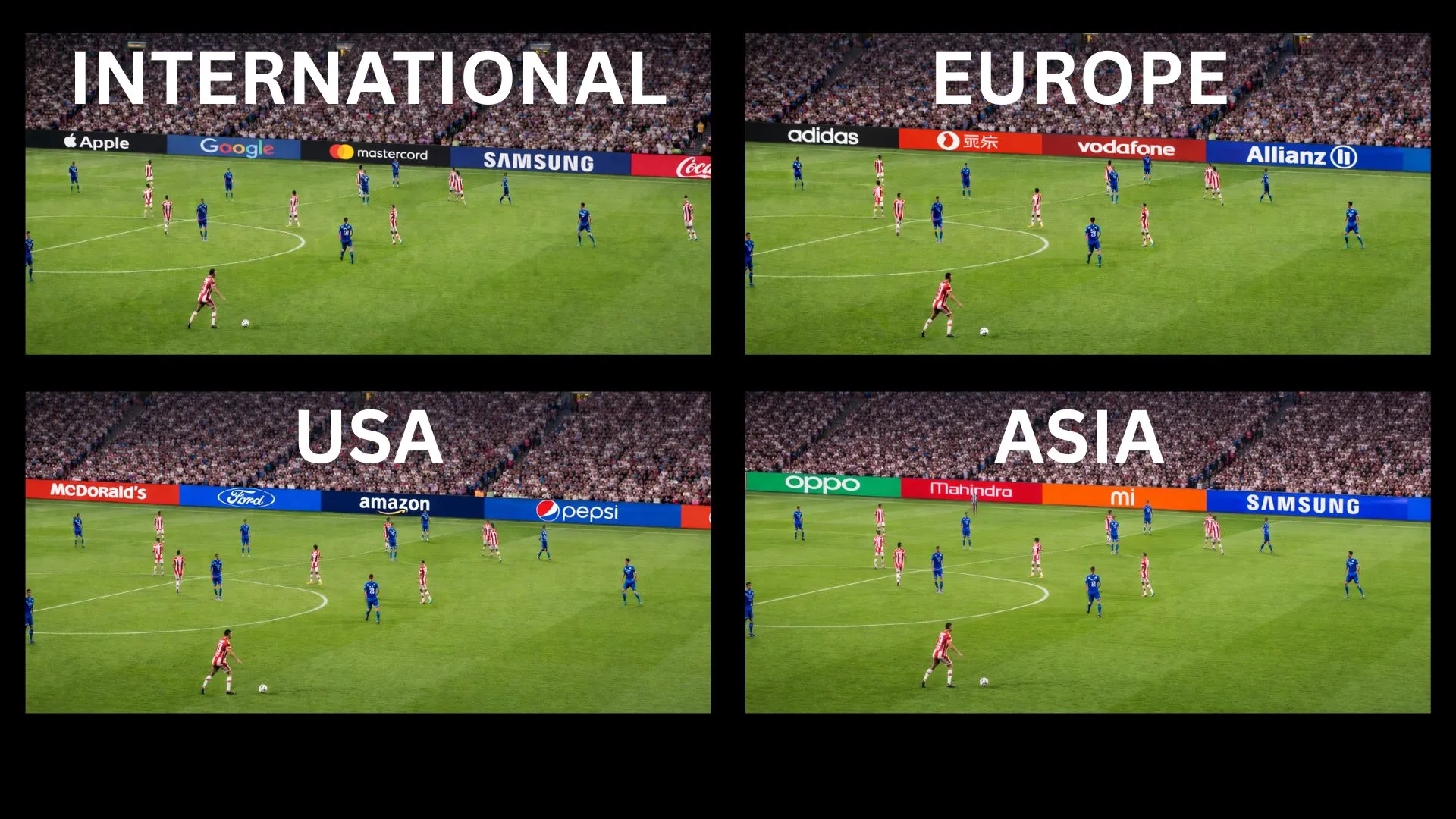
Sports sponsorship is evolving beyond traditional physical branding. Virtual advertising for live sports enables broadcasters and sports organizations to create new sponsorship opportunities by transforming broadcast environments into flexible digital inventory. Through capabilities such as geo-targeted advertising, sustainable digital branding, and virtual brand placement seamlessly integrated into live broadcasts, virtual solutions are changing how brands connect with sports audiences.
To understand the business case for virtual advertising in more detail, explore our previous articles on:
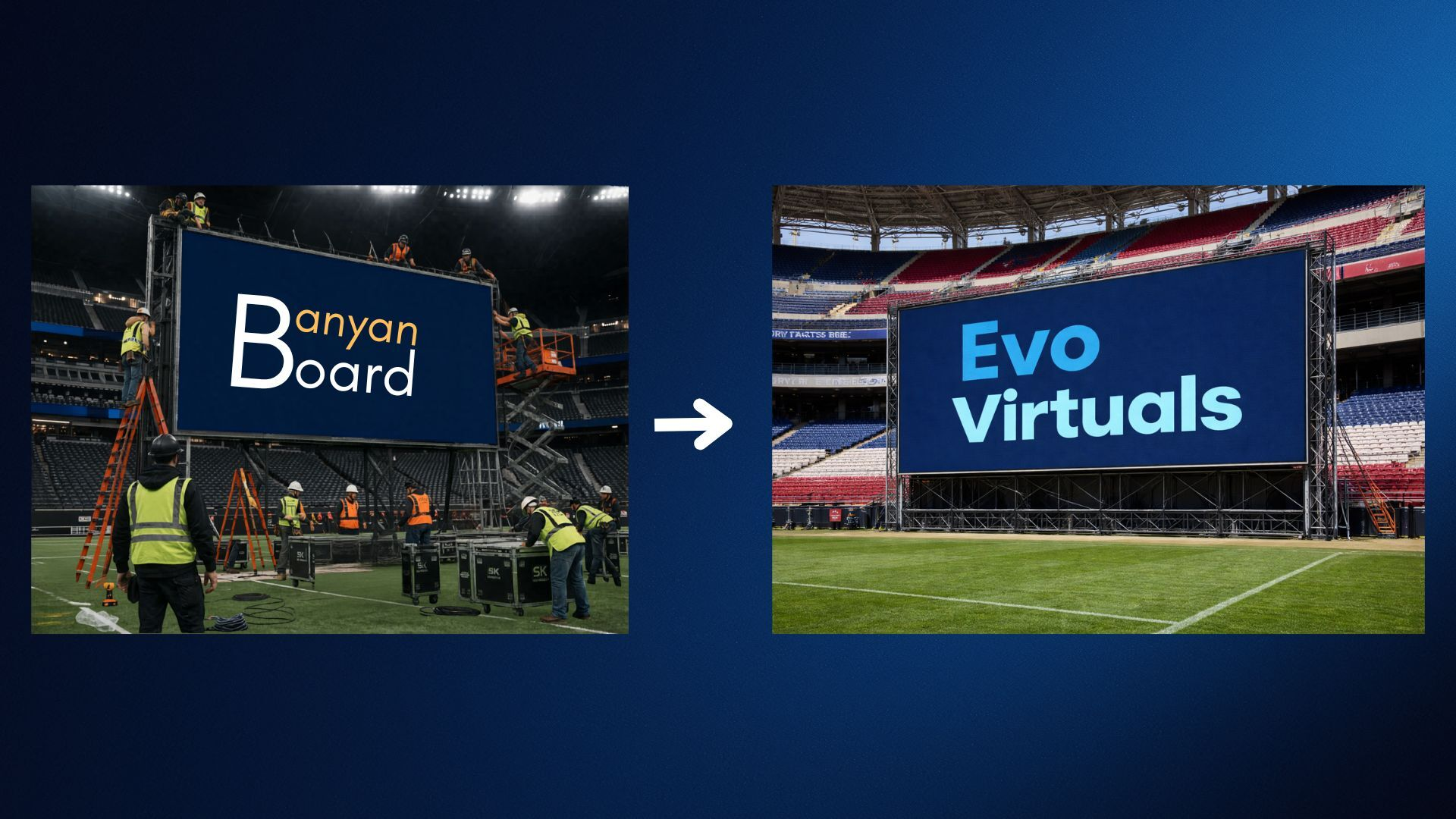
However, moving from the opportunity of virtual advertising to implementation presents practical challenges. Organizations need technically skilled teams, specialized equipment, software solutions, and seamless integration with existing broadcast workflows. These requirements can increase operational complexity, deployment effort, and overall costs.This is where Evo VIrtuals is designed to simplify the adoption of virtual advertising.
By integrating seamlessly with existing broadcast workflows and eliminating the need for onsite technical crew, This is where Evo Virtuals provides a scalable approach to delivering virtual advertising for live sports. In the following sections, we explore how Evo Virtuals achieves this through its three-step process for accurate and seamless virtual brand placement.
How Evo Virtuals Delivers Precision During Live Broadcasts
Step 1: Understanding the Right Camera View for Virtual Placement
Live sports broadcasts are dynamic. A single match can involve multiple camera angles, each showing the action from a different perspective. For virtual advertisements to appear naturally, the system must first understand which camera view is being displayed and how that view should be handled.
This is where Evo Virtuals continuously analyses incoming camera feeds to identify the active view and determine where virtual placements should appear. This ensures that advertisements are shown only in the appropriate camera angles while maintaining a clean and natural broadcast experience.

For example, in cricket, a wicket-to-wicket camera may provide the ideal perspective for displaying virtual placements, while close-up or ball-follow cameras may require those advertisements to be removed. Managing these transitions accurately during a live broadcast requires precise frame-level decision-making.
Using a patent-pending algorithm to recognize camera shots and applying virtual assets only where required, This is where Evo Virtuals helps broadcasters maintain a clean viewing experience while ensuring sponsors receive accurate and consistent visibility during the moments that matter.
Step 2: Adapting in Real Time to Every Broadcast Perspective
In live sports, the camera is constantly changing. A broadcast may move from a wide view of the field to a closer shot within seconds, with changes in zoom, angle, and perspective.
For a virtual placement to look natural, it cannot behave like a fixed graphic placed on top of the video. It must continuously adjust itself according to the changing camera view, just like a physical advertisement would appear differently when viewed from different angles.

This is where Evo Virtuals continuously analyses camera movement and adapts the placement of digital assets in real time. As the camera zooms, pans, or changes perspective, the system recalibrates the position and scale of the virtual placement to ensure it remains aligned with the playing surface.
This real-time adaptation helps maintain the connection between the digital asset and the physical environment, allowing advertisements to remain naturally integrated throughout the broadcast. The result is a seamless viewing experience where sponsors receive consistent visibility without distracting from the live action.
Step 3: Maintaining Realism Through Intelligent Keying
In live sports broadcasts, virtual advertisements must blend naturally with the action on the field. Simply placing a digital asset onto the playing surface is not enough – the system must understand the relationship between the virtual placement and the real-world elements in the scene.
With the help of advanced chroma keying and AI-based keying techniques, This is where Evo Virtuals intelligently separates relevant foreground elements such as players, officials, and other objects from the virtual layer. This allows the real-world action to remain naturally visible while digital advertisements are seamlessly integrated into the playing environment.
This ensures that virtual placements appear as part of the physical environment rather than as an overlay on top of the action, delivering a realistic and broadcast-quality viewing experience.

Beyond Branding: The Future of Sports Advertising
This is where Evo Virtuals demonstrates how organizations can deliver seamless virtual advertising without the need for extensive onsite resources, expensive equipment deployment, or major changes to existing broadcast workflows.
By combining intelligent camera understanding, real-time adaptation, and advanced keying capabilities, This is where Evo Virtuals enables broadcasters and sports organizations to create realistic and scalable virtual brand placement across live sporting events.
Contact us to learn more about how This is where Evo Virtuals can help you unlock new sponsorship opportunities through virtual advertising for live sports, geo-targeting, and flexible virtual brand placement solutions designed for modern sports broadcasting.